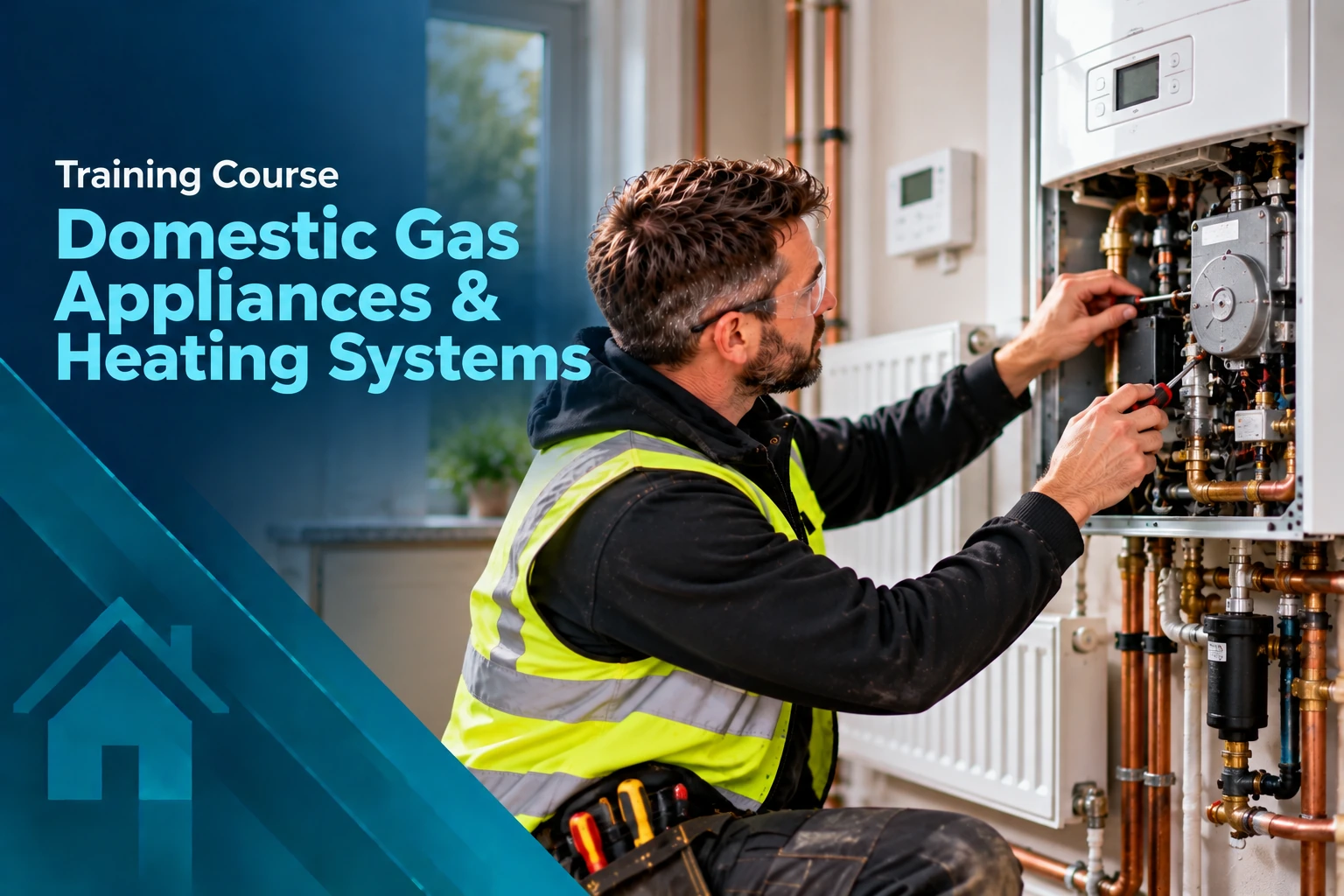
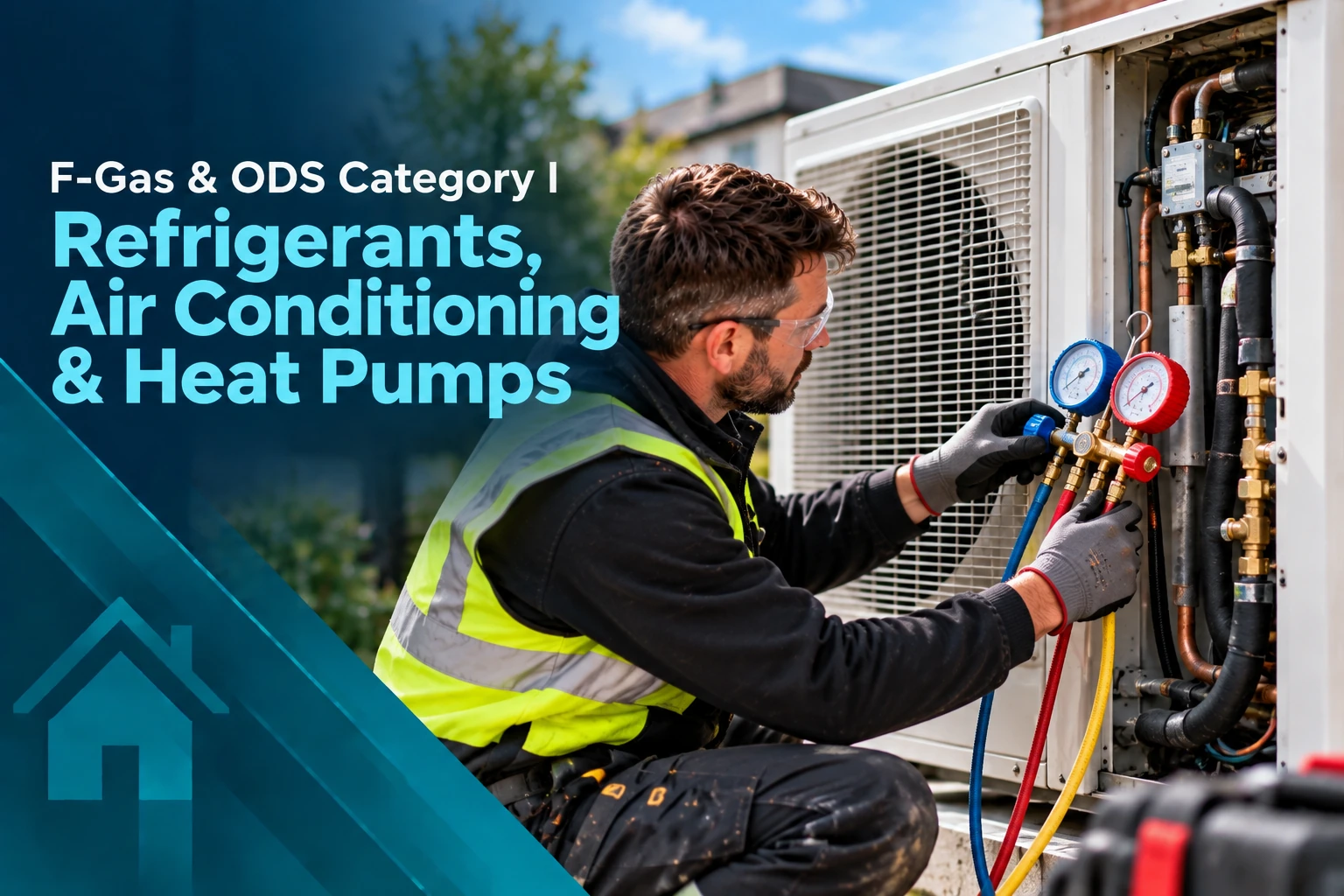
Build the skills, knowledge and confidence to work safely and professionally on domestic gas appliances and heating systems.
This comprehensive training programme is designed for engineers involved in the installation, commissioning, servicing, maintenance and safety inspection of domestic gas appliances. Combining practical, hands-on learning with essential technical knowledge, the course prepares delegates to work confidently across a wide range of residential properties and heating systems.
From boilers and cookers to fires, water heaters and heating controls, you’ll gain a thorough understanding of how domestic gas systems operate, how to identify faults, and how to ensure appliances remain safe, efficient and compliant with current regulations.
Whether you’re entering the gas industry, renewing qualifications or expanding your existing skillset, this course provides the expertise needed to deliver high-quality work and maintain the highest standards of safety.
Why Choose This Training?
✔ Practical, hands-on learning in realistic environments
✔ Delivered by experienced gas industry professionals
✔ Comply with current legislation, standards and best practice
✔ Develop skills that are directly applicable on-site
✔ Build confidence working on domestic gas appliances and systems
Career Benefits
Qualified domestic gas engineers continue to be in high demand across the housing, maintenance and construction sectors. This training helps you develop the technical competence employers and customers expect, while enhancing your career prospects and expanding the services you can offer.
Gain the practical skills, technical knowledge and professional confidence needed to install, service, maintain and inspect domestic gas appliances safely, efficiently and to the highest industry standards.
Domestic Gas Appliances & Heating Systems Training
Basic understanding of plumbing, heating or building services is beneficial
Good practical and problem-solving skills
Ability to undertake both classroom and practical training
No previous domestic gas qualifications required
One-time for 1 person
Free
Overview
Build the skills, knowledge and confidence to work safely and professionally on domestic gas appliances and heating systems.
This comprehensive training programme is designed for engineers involved in the installation, commissioning, servicing, maintenance and safety inspection of domestic gas appliances. Combining practical, hands-on learning with essential technical knowledge, the course prepares delegates to work confidently across a wide range of residential properties and heating systems.
From boilers and cookers to fires, water heaters and heating controls, you’ll gain a thorough understanding of how domestic gas systems operate, how to identify faults, and how to ensure appliances remain safe, efficient and compliant with current regulations.
Whether you’re entering the gas industry, renewing qualifications or expanding your existing skillset, this course provides the expertise needed to deliver high-quality work and maintain the highest standards of safety.
Why Choose This Training?
✔ Practical, hands-on learning in realistic environments
✔ Delivered by experienced gas industry professionals
✔ Comply with current legislation, standards and best practice
✔ Develop skills that are directly applicable on-site
✔ Build confidence working on domestic gas appliances and systems
Career Benefits
Qualified domestic gas engineers continue to be in high demand across the housing, maintenance and construction sectors. This training helps you develop the technical competence employers and customers expect, while enhancing your career prospects and expanding the services you can offer.
Gain the practical skills, technical knowledge and professional confidence needed to install, service, maintain and inspect domestic gas appliances safely, efficiently and to the highest industry standards.
What You’ll Learn?
Domestic gas legislation and safety requirements
Installation and commissioning of domestic gas appliances
Gas pipework installation, testing and commissioning